Entry and permit rules can change. For each project we check the crew's passports, treatment, locations, equipment and any special shooting elements.
Visas and permits are not one document; they are several prep tracks running at the same time.
International crews should separate the right to enter Uzbekistan from the right to film at a particular location. A crew member may be legally in the country while filming at a railway station, metro, museum or heritage site still requires separate clearance.
Cinema Service and Production helps prepare passport grids, equipment lists, arrival calendars, location requests, site-owner letters and a separate drone or special-effects track when required.
30visa-free days are available to many nationalities, but every passport must be checked
3days is a common practical reference for temporary registration after arrival
10-20working days should be allowed for medium-complexity location approvals
Does an international crew need visas?
Visa requirements depend on citizenship, so the answer must be checked passport by passport. Do not check only the production company's country: director, DP, producer, cast, assistants and technicians may hold different passports. If a passport is not covered by visa-free entry, use the official e-visa route or a consular route. Do this before flights are purchased, because one passport issue can move the entire schedule.
When should e-visas be filed?
3-7 working days should be allowed even if the portal suggests faster processing. E-visas are filed through the official e-visa portal and may require a passport scan, photograph, travel details and payment. For production planning, the visa dates should cover prep, tech scout, fitting, rehearsals, unloading, pack-down and delay buffer, not only principal photography.
What about temporary registration?
3 days after arrival is often used as a practical reference for temporary registration, but the current rule should be checked for the accommodation plan. Hotels usually handle registration for their guests. If the crew stays in apartments, guest houses, remote bases or moves between cities, the responsibility and procedure should be verified early to avoid questions on departure.
Is a separate filming permit needed?
Filming permits for foreign film companies are issued by the competent cinematography authority. The current procedure should still be verified before the project: the service appears in public listings, but parts of the regulation have changed over time. The commonly quoted preparation time for a feature is around one to two months, which is a secondary-source estimate rather than a stated norm. Practically, do not rely on verbal information; get written confirmation or run the process through a local production service partner.
Which documents are usually prepared?
8 documents are commonly needed for a serious request: producer letter, foreign company details, project description, synopsis or treatment, dates, location list, crew list and equipment list. Sensitive sites may also ask for script pages, storyboard, insurance, guarantee letter, traffic plan, drone data, pilot passport or separate security clearance.
How are streets, squares and public locations cleared?
10-20 working days should be allowed for city locations when equipment, vehicles or space control are involved. A street as a visual background may be simple, but traffic control, caravan parking, generator, extras, night lighting or work near an administrative building makes the process more complex. For squares, metro, railway stations, markets and state buildings, identify the site owner, approving authority and on-site contact early.
Can we film at heritage locations?
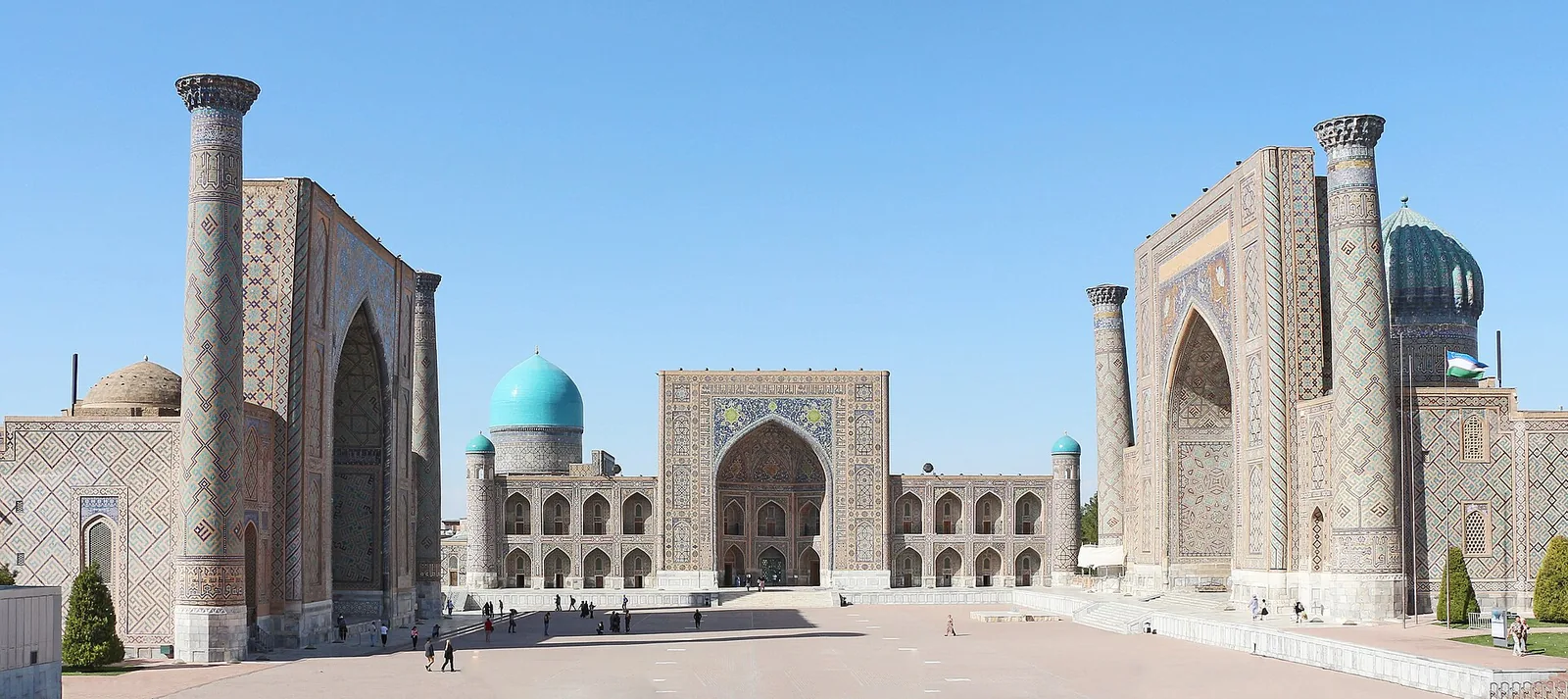
15-30 working days is a sensible allowance for heritage sites and tourist zones. Historic cities are visually powerful, but working hours, visitor flow, security, tripod rules, lighting, drones, catering, cabling, generators and night work must be checked. In Khiva, Bukhara and Samarkand, a location can be a heritage object, tourist route and living environment at the same time.
Do drones need permission?
No drone flight should be planned without separate checks. UAVs may require permission for import, storage and use, and the flight zone may need separate clearance. Even when a local pilot owns the drone, the production must know where and when flight is allowed. Airports, military sites, administrative buildings, heritage monuments and public events carry higher refusal or restriction risk.
Are documentary, journalistic and commercial shoots treated the same?
These are two different mechanisms handled by different authorities and they should not be confused. Journalism and news filming go through accreditation with the Ministry of Foreign Affairs: a permanent correspondent is processed within two months and accredited for up to two years; a temporary correspondent is processed no later than two weeks after a written request, with accreditation valid for up to three months. Professional work by an unaccredited foreign correspondent is prohibited, so accreditation belongs in the schedule early rather than on arrival. Fiction, commercials and music videos do not follow those rules — they run through a filming permit instead. A documentary can fall into either category depending on format and final use, so its status is best settled before filing.
Who should manage permits?
One responsible person on the local production side should own all letters, contacts and deadlines. If every department contacts site owners separately, the producer loses control. Cinema Service and Production keeps a single tracking table: location, owner, status, conditions, cost, working hours, on-site contact, restrictions, documents and final confirmation date.
Open questions before the project
Confirm these items for the project and dates, especially when filming involves government sites, drones or equipment imports.
Current public-service route for foreign film companies.
Every passport against the current visa-free list.
Each drone and flight zone as a separate clearance.
Sources for initial checks
Regulations and public services can change. Check current documents and written responses from the relevant authorities before budgeting or applying.
Cinema Service and Production coordinates production services. Equipment rental, film caravan and post-production are provided through our parent company Bayram-Film.